
There’s something special about handmade pottery. It’s not just about clay and glaze but about patience, passion, and personal touch. In the small, peaceful town of Huntington Bay, pottery is more than a craft. It’s a way of life for many local artists. If you’ve ever been curious about how clay becomes a beautiful cup or bowl, you’re in the right place.
In this post, we’ll walk you through the journey of creating handmade pottery in Huntington Bay, from the first spin of the wheel to the final glaze. You’ll learn the steps, the tools, and the heart behind every piece.
The Soulful Art of Handmade Pottery in Huntington Bay
Creating pottery by hand isn’t a fast process. It takes time, care, and skill. Let’s go through the key steps that bring each piece to life
1. Preparing the Clay
Before anything is made, potters start by preparing the clay. They knead it like dough to remove air bubbles and make it soft. This step, called “wedging,” helps the clay stay strong and smooth.
If not done well, the pottery could crack during firing. Potters use different types of clay depending on what they want to make. Some are soft and white, others are rich and dark.
2. Centering on the Wheel
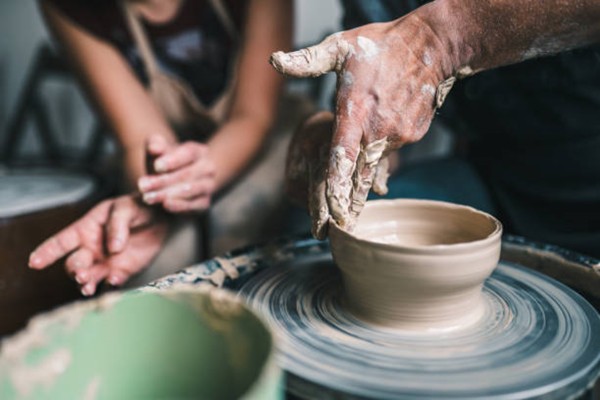
Now it’s time to get behind the wheel, literally. This is one of the most crucial aspects of creating handmade pottery in Huntington Bay. The potter places the clay on a spinning wheel and uses their hands to shape it.
But before shaping, the clay must be “centered.” This means ensuring it spins evenly in the center of the wheel. It sounds easy, but it takes practice. Without perfect centering, the pot won’t be balanced.
3. Shaping the Clay
Once the clay is centered, the potter begins to shape it. This could be a mug, a vase, or a bowl. With steady hands, they pull the clay up or out, changing its height and width. Some pieces are tall and thin; others are short and wide. Every move matters. Even a little too much pressure can ruin the shape. This stage requires full focus.
4. Trimming and Drying
After shaping, the piece is set aside to dry a bit. When it’s leather-hard, meaning it’s firm but not dry, the potter trims the bottom to make it smooth. They might also carve designs or add handles at this point. The drying of handmade pottery in Huntington Bay can take a few days. It’s slow, but rushing it could lead to cracks.
5. First Firing (Bisque)
Next comes the kiln, a specialized oven that reaches temperatures exceeding 1,800°F. The first firing is called a “bisque” firing. This hardens the pottery and makes it strong enough for glaze. Before going in, the pottery is completely dry. Any moisture left can cause it to explode in the kiln.
During this phase, the natural color of the clay changes. It becomes lighter and feels like stone. This stage is exciting because you get a glimpse of the piece’s final form.
6. Glazing
Glazing adds color, texture, and a smooth finish. Potters dip, pour, or brush glaze onto their bisque-fired pottery. The glaze can be shiny or matte, plain or colorful. Each glaze reacts differently in the kiln. Some might drip, crackle, or blend with others to create stunning effects.
Choosing the right glaze is like choosing paint for a canvas. It changes everything. The beauty of handmade pottery in Huntington Bay often lies in these one-of-a-kind finishes.
7. Final Firing
Once glazed, the pottery goes back into the kiln for a second firing, often at even higher temperatures. This turns the glaze into a glass-like coat. The colors become brighter, and the surface becomes smooth. When the pieces come out, they are strong, usable, and beautiful.
Opening the kiln after the final firing is a moment of joy. No two pieces ever come out exactly the same. That’s the charm of handmade work.
8. Finishing Touches
After cooling, the handmade pottery in Huntington Bay might get a few final touches. Potters might sand the bottom to make it smooth or check for any flaws. Some pieces are stamped with a logo or signed. Then, they’re ready for use or display.
Each mug, plate, or vase carries the mark of its maker. That’s what makes these pieces so special.
Why People Love It
People love handmade pottery in Huntington Bay for many reasons. It’s personal, local, and every piece has a story. From start to finish, each item is shaped with care. It’s not made in a factory. It’s made by someone who enjoys the process.
Buying or making pottery this way brings a different kind of joy. You can feel the warmth in every cup of coffee or dinner served on a handmade plate.
Ending Note
Making pottery by hand is more than just shaping clay. It’s a calm, slow art that connects people to the earth, to tradition, and to each other. In places like Huntington Bay, where creativity flows easily, pottery has become a meaningful part of the community.
From the first touch of clay to the final firing, every step matters. Handmade pottery in Huntington Bay tells a story, one of skill, care, and beauty. If you’ve never tried it or owned a piece, now’s a great time to start. Check out Hart and Soul Pottery and browse unique handmade pottery pieces today!
Frequently Asked Questions
Can beginners try pottery in Huntington Bay?
Yes, many studios offer beginner-friendly classes. You don’t need any experience to start. Some places even let you make your first mug or bowl in a single class.
How long does it take to make a single piece?
Making one piece of handmade pottery can take several days to a few weeks. It depends on the size of the piece and the weather conditions (since drying is slower in humid places). Potters have to shape the clay, let it dry, fire it once, glaze it, and then fire it again. Each step takes time, and rushing any part of it could ruin the piece.
Can I customize my own handmade pottery?
Yes! Many potters in Huntington Bay offer custom work. You can request certain colors, shapes, or sizes. You might even want to add a name or message. Just keep in mind that custom pieces take more time.